
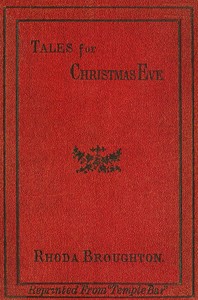
Tales for Christmas Eve by Rhoda Broughton
First published in the 1870s, Tales for Christmas Eve collects five of Rhoda Broughton's spooky short stories. Forget the title's festive implication; these aren't heartwarming holiday fables. This is classic Victorian ghost story territory, where the scares come from atmosphere, suggestion, and the slow unraveling of a character's nerves.
The Story
There isn't one single plot, but a series of self-contained chillers. In 'The Truth, the Whole Truth, and Nothing but the Truth,' a man receives eerie, prophetic letters from a stranger. 'The Man with the Nose' follows a woman plagued by a grotesque spectral figure. Perhaps the most famous is 'Poor Pretty Bobby,' where a governess grows suspicious of her charge, a beautiful but strangely silent little girl. Each story follows a similar, effective pattern: a sensible protagonist encounters something inexplicable. They doubt their own senses, rationalize the events away, but the supernatural pressure keeps building until it can't be ignored. The settings are drawing rooms, country houses, and lonely estates—places that should feel safe, but don't.
Why You Should Read It
Broughton's real skill is in the slow burn. She's a master of the 'maybe.' Is that a ghost, or is the narrator just going mad? Is the child evil, or is the governess jealous? She lets the doubt fester in your mind as much as the character's. I love how she uses the constraints of her time—the focus on reputation, the strict social rules—to make the horror even sharper. When a proper Victorian lady starts seeing things, the terror isn't just about the phantom; it's about the loss of her own standing and sanity. The prose is elegant but direct, pulling you right into each character's mounting panic.
Final Verdict
This book is perfect for anyone who loves classic, atmospheric horror like M.R. James or Shirley Jackson's quieter stories. It's for readers who want their scares to come from a whisper in the dark, not a jump-scare. If you're a fan of Gothic mood, historical fiction, or just a brilliantly told creepy tale, you'll find a lot to love here. Make a cup of tea, turn down the lights, and let Rhoda Broughton remind you why Christmas Eve was once the traditional time for ghost stories.
This text is dedicated to the public domain. Use this text in your own projects freely.
Paul White
10 months agoI found the author's tone to be very professional yet accessible, the level of detail in the second half of the book is truly impressive. Finally, a source that prioritizes accuracy over hype.
Elizabeth Thomas
6 months agoHaving read the author's previous works, the evidence-based approach makes it a very credible source of information. Thanks for making such a high-quality version available.
Linda Gonzalez
1 year agoThe analytical framework presented is both innovative and robust.
Barbara Martinez
11 months agoI particularly value the technical accuracy maintained throughout.
Paul Miller
4 months agoI was skeptical about the depth of this book at first, but the footnotes provide extra depth for those who want to dig deeper. Truly a masterpiece of digital educational material.